
Ingredients
Method
Step 1: Prepare Your Citrus Base
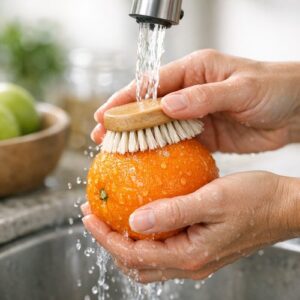
- Start by thoroughly rinsing your orange under cool running water and gently scrubbing it with a clean brush to remove any residue. Using your fingers or a small paring knife, peel away the orange skin in thick strips, leaving as much of the bitter white pith behind as possible. Separate the orange into individual segments and place them directly into your slow cooker (a 4-quart or larger capacity). The orange segments will become soft and will help create a natural sweetness and brightness to your cider. I typically let them sit here for a minute while I prepare the apples—there's no rush.
Step 2: Prepare and Add the Apples
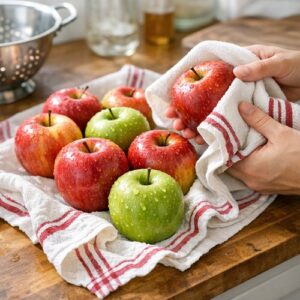
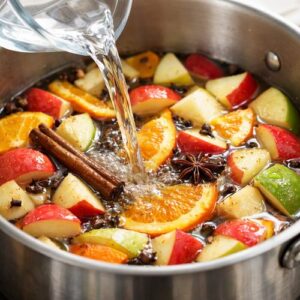
- Rinse all 10 apples thoroughly under running water and pat them dry with a clean kitchen towel. This simple step prevents any dirt or residue from getting into your cider. Working over the slow cooker (to catch any juices), cut each apple into quarters, removing the core as you go. You can discard the cores, seeds, and stems—they're not needed. Don't peel the apples; the skin adds valuable color, nutrients, and tannins that contribute to the complex flavor profile. The apple pieces should tumble into the slow cooker on top of your orange segments. You'll see the fruit start to glisten almost immediately, which is a beautiful sign.
Step 3: Add Your Spices and Sweetener
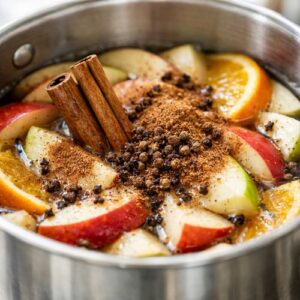
- Nestle the cinnamon sticks into the fruit mixture (or sprinkle ground cinnamon if using). Add your ground cloves—this is where the magic begins. You'll immediately smell that warm, aromatic spice beginning to release. Sprinkle the granulated sugar evenly over everything. If you're using optional nutmeg and star anise, add those now. Stir gently with a long spoon to distribute the sugar and spices throughout the fruit.
Step 4: Add Water and Begin Cooking
- Pour filtered water over the fruit mixture until it's just barely covered—you want the fruit sitting in liquid, but you don't need excess water, as the apples will release their own juice during cooking. This typically requires 8 to 10 cups of water, but add gradually and look for that "just covered" point. Cover your slow cooker with the lid and set it to low heat for 6 to 7 hours (or high heat for 4 hours if you're short on time). Low and slow is my preference because it gently extracts flavor without concentrating it too intensely. As it cooks, your kitchen will fill with the most incredible aroma—cinnamon, cloves, apples, and orange melding into something completely irresistible. Resist the urge to open the lid constantly, though it's tempting!
Step 5: Mash the Cooked Fruit
- After 6 to 7 hours on low (or 4 hours on high), open your slow cooker carefully—the steam will be fragrant and hot. The apples should be completely soft and almost falling apart. Using tongs or a large slotted spoon, carefully remove the cinnamon sticks and set them aside on a clean plate. Using a sturdy spoon or a potato masher, gently press down on the fruit to break it apart and release more of its juices into the liquid. You're not making applesauce here—just crushing things enough to increase extraction. Return those cinnamon sticks to the pot, place the lid back on, and cook for 1 additional hour on low or high heat.

Step 6: Strain Your Cider
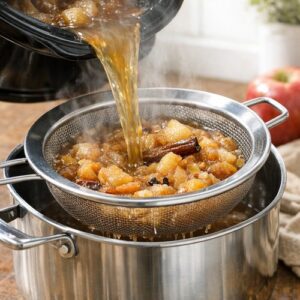
- This is where patience pays off. Position a large pot or heat-safe pitcher near your slow cooker. Set a fine mesh strainer over the top of your pot. Working slowly and carefully (the cider will be hot), pour the contents of your slow cooker through the strainer. You'll hear the liquid draining and see the solids—the pulp, skins, and flesh—collecting in the strainer. Let it drain completely; don't force anything through. This will take several minutes. Once the majority has drained, you can gently press the solids with the back of a spoon to extract just a bit more liquid, but don't over-process this. Discard all the solids. Now comes the second straining, which is the professional touch that makes your cider crystal clear: pour the cider through a fine mesh strainer one more time, working slowly to catch any remaining pulp particles. Your finished cider should be a beautiful deep amber or golden color.
Step 7: Serve Warm and Enjoy
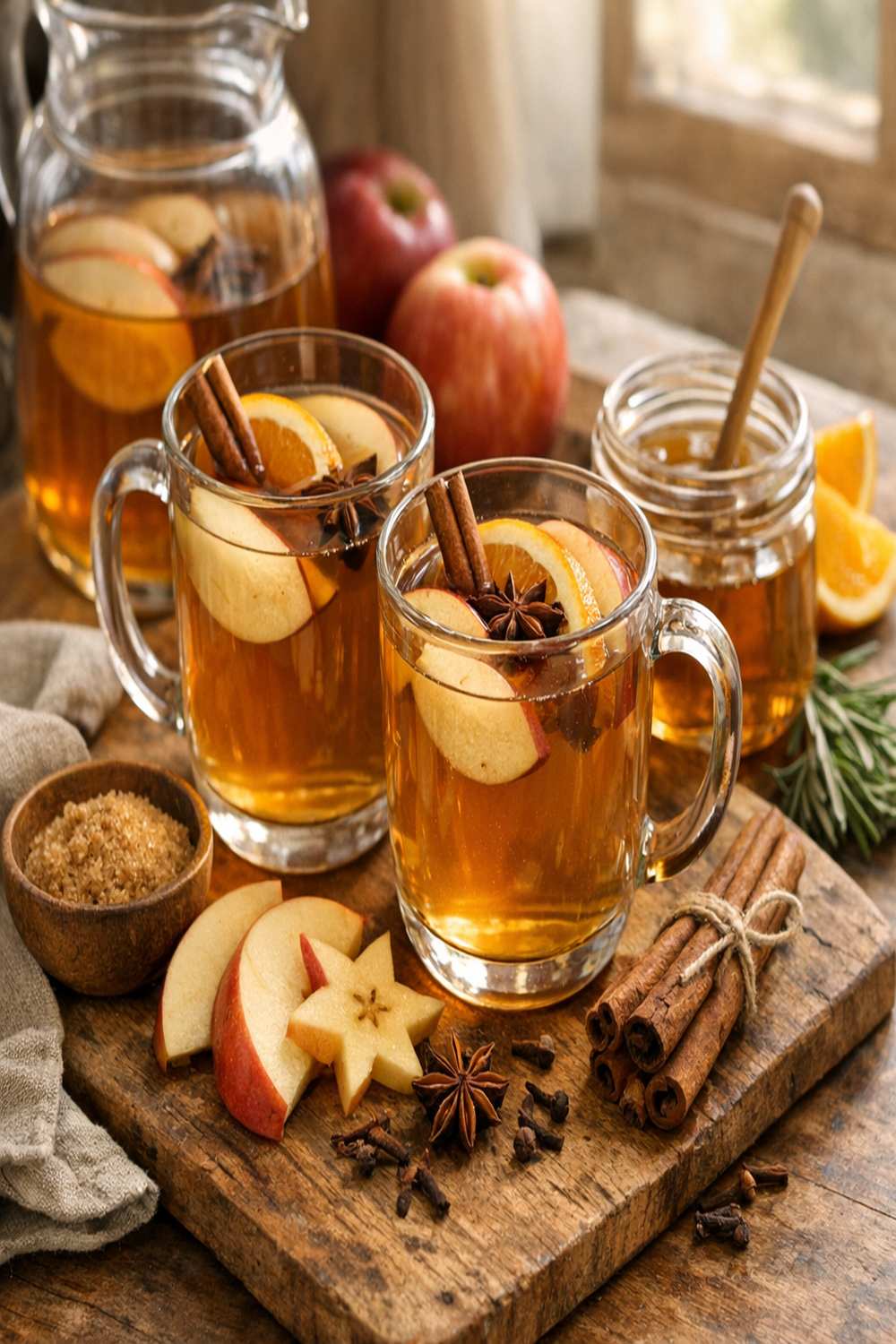
- Ladle your fresh cider into mugs or heat-safe glasses and serve it warm. If you'd like to make it feel extra special, add a cinnamon stick as a stirrer or a thin orange slice for garnish. The cider is perfect on its own, or you can serve it alongside seasonal baked goods.

Notes
- Choose Your Apples Strategically - A 50/50 mix of sweet and tart varieties creates the most interesting flavor. Honeycrisp and Fuji apples bring sweetness; Granny Smith and Pink Lady apples add brightness and complexity. Avoid mealy apples like Red Delicious for this recipe.
- Don't Skip the Orange - It sounds like a small addition, but that citrus really lifts the entire flavor profile and prevents the cider from tasting one-dimensional or overly spiced. It's the secret ingredient most people overlook.
- Fresh Spices Matter More Than You Think - Check the dates on your cinnamon and cloves. Spices lose their potency over time. If your cinnamon or cloves are more than 6 months old, add a little extra to compensate.
- Use Low Heat When Possible - While high heat will work, low heat extracts flavor more gently and creates a deeper, more nuanced taste. Plan ahead so you can use the slow cooker method.
- Don't Over-Strain - While I recommend straining twice, don't force solids through the mesh. You want clear cider, not cloudy. The second straining is about catching particles, not extracting more liquid.
- Taste as You Go - Everyone's apples are different. Before serving your entire batch, taste a small amount. If you want it sweeter, you can stir in a touch more sugar. If you want more spice, you can add a pinch of ground cinnamon to individual servings.