
Ingredients
Method
Step 1: Prep Your Beetroots and Pan
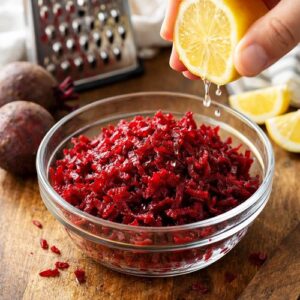
- Peel, grate, and measure out 2 to 3 large raw beetroots into a small bowl. Squeeze the lemon juice over them right away—this prevents the beets from turning brown and adds brightness to the cake. Preheat your oven to 350°F. Grease two 8-inch round cake pans with a little oil or butter, line the bottoms with parchment paper, and set aside. This step matters because it ensures your beautiful cake releases perfectly.
Step 2: Whisk the Dry Ingredients Together
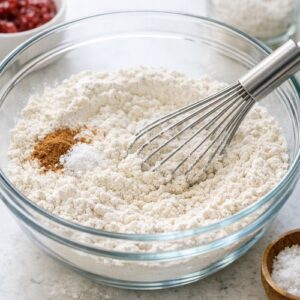
- In a large mixing bowl, combine the flour, baking powder, cinnamon (if using), and salt. Use a whisk to blend these together for about 30 seconds, making sure the baking powder is distributed evenly. This prevents dense spots in your final cake. Set the dry mixture aside for now.
Step 3: Make the Wet Base
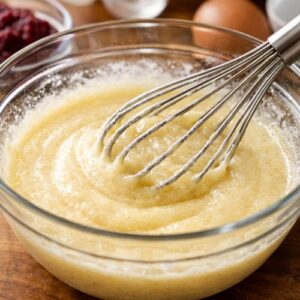
- In another bowl, whisk together the vegetable oil, both sugars, and the eggs until smooth and pale, about 2 to 3 minutes of whisking. The mixture should look slightly fluffy and ribbon-like when you lift the whisk—this means you've beaten enough air into it. Add the grated beetroots (with all their juice) and fold gently until the batter is uniformly deep red.
Step 4: Combine Wet and Dry
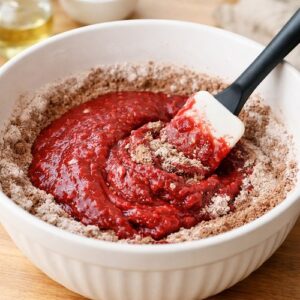
- Pour the wet mixture into the dry ingredients and fold together gently using a rubber spatula for about 20 strokes. Stop as soon as you don't see streaks of flour—overmixing develops gluten and makes the cake tough. The batter should be thick, dark, and speckled with tiny bits of beet.
Step 5: Divide Into Pans
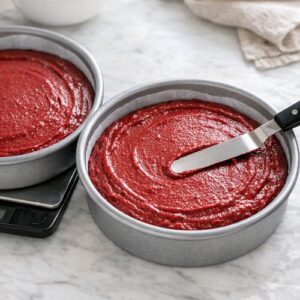
- Divide the batter evenly between your prepared pans (use a kitchen scale for perfect halves if you're fussy like me). Smooth the tops gently with a spatula. This equal distribution ensures both layers bake at the same rate and stack evenly later.
Step 6: Bake Until a Toothpick Comes Out Clean
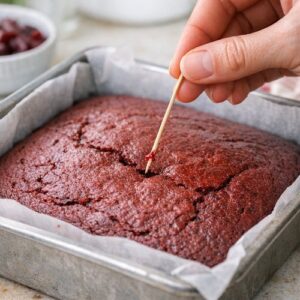
- Bake for 30 to 35 minutes until a wooden toothpick inserted in the center comes out with just a few moist crumbs—not wet batter, but not bone-dry either. The tops should feel springy when you gently press them. Remove from the oven and let cool in the pans for 10 minutes, then turn out onto a wire rack to cool completely (at least 45 minutes) before frosting.
Step 7: Soften Your Frosting Ingredients
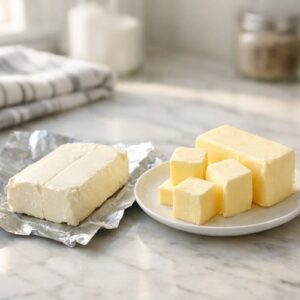
- While the cakes cool, take the cream cheese and butter out of the refrigerator so they reach room temperature—this takes about 30 to 40 minutes. Cold frosting ingredients lead to lumpy, curdled frosting, so patience here pays off. I often set them on the counter in the morning if I'm baking in the afternoon.
Step 8: Make the Cream Cheese Frosting
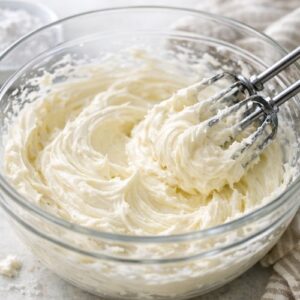
- In a clean bowl, beat the softened cream cheese and butter together on medium speed for 2 to 3 minutes until pale and fluffy. It should look almost mousse-like. Sift in the powdered sugar gradually, beating on low speed between additions to avoid a flour cloud. Add the heavy cream, vanilla seeds (or extract), and salt, then beat on medium-high for another minute until everything is smooth and spreadable. Taste it and adjust vanilla if needed.
Step 9: Level and Layer Your Cakes
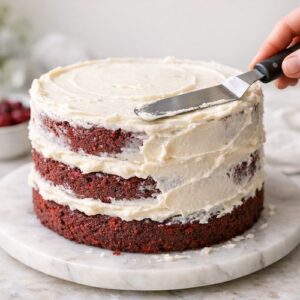
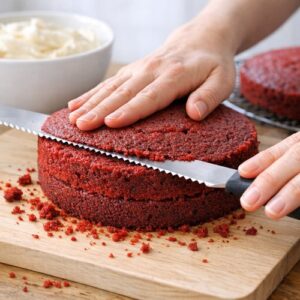
- If your cake tops are domed, use a serrated knife to level them into flat rounds—this makes stacking easier and looks more professional. Place your first layer on a cake stand or serving plate. Spread a generous dollop of frosting (about ½ cup) over the top, smoothing it into an even layer.
Step 10: Stack, Frost, and Decorate
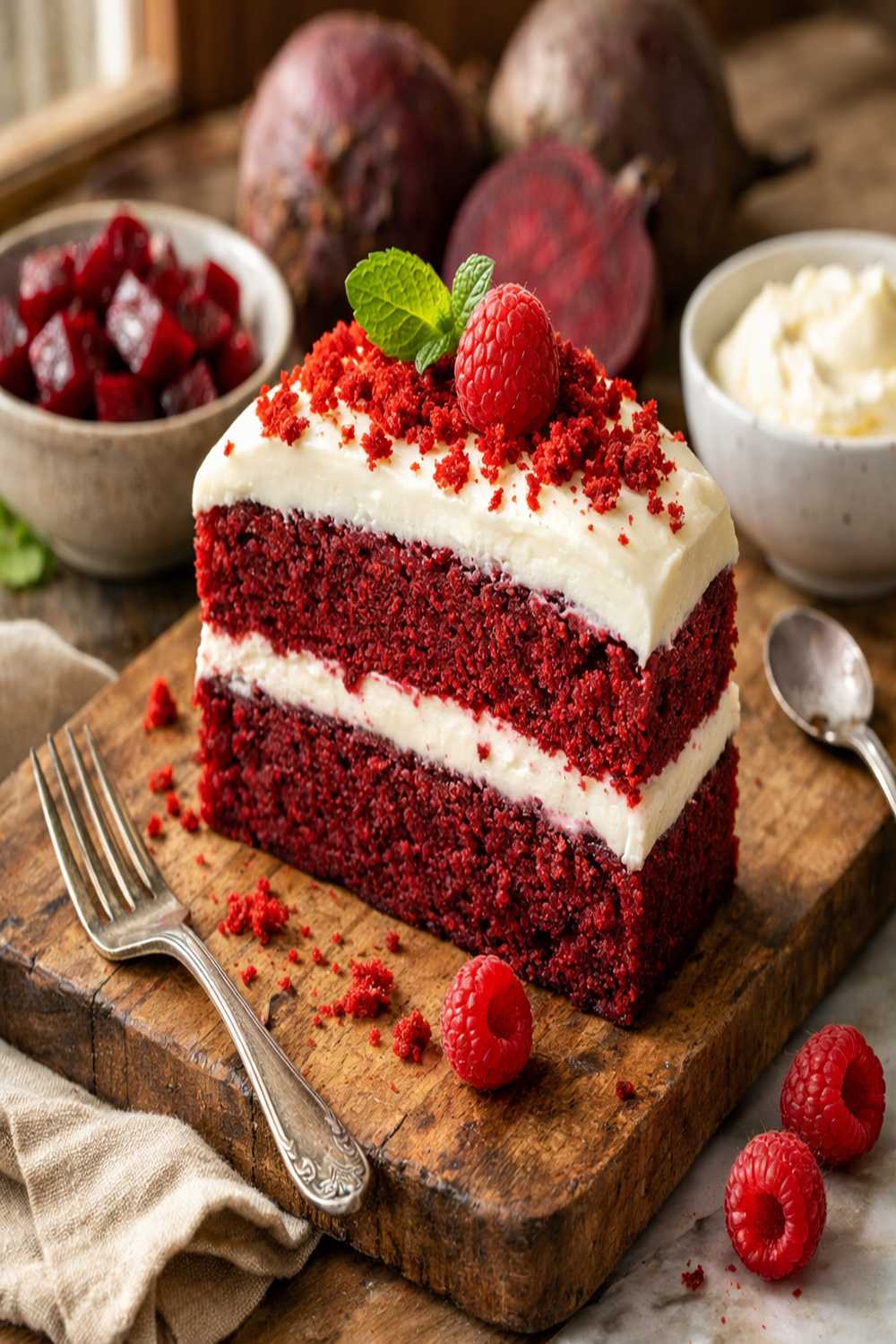
- Top with the second cake layer and frost the top and sides with the remaining frosting. I like to use an offset spatula for a rustic, naked-look frosting or smooth it sleek and glossy—your choice. Garnish with a few candied beetroot slices, fresh edible flowers, or a drizzle of white chocolate if you like. Chill for at least 30 minutes before slicing so the frosting sets and holds its shape.